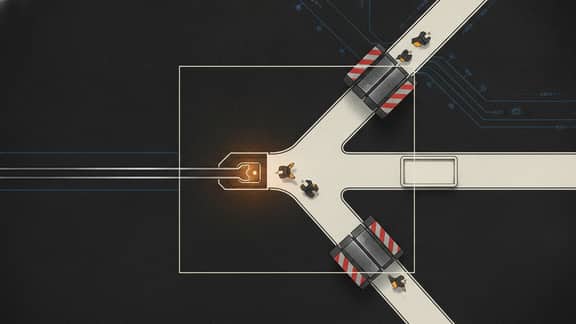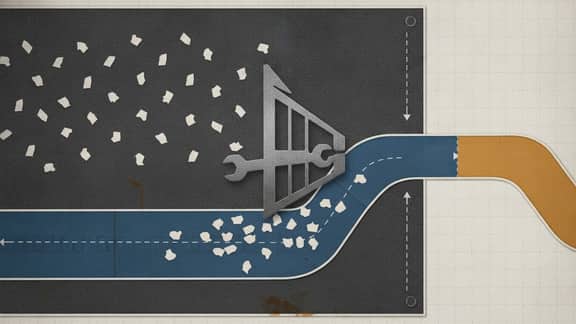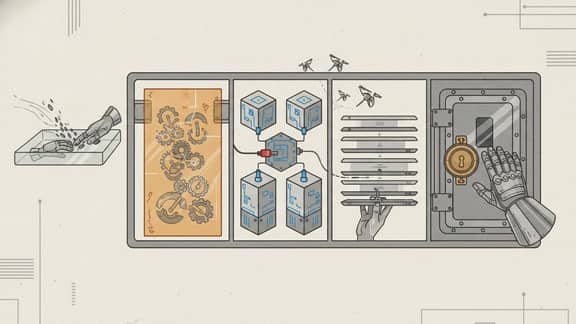

AI agent skills are becoming the most practical middle layer in the agent stack.
They sit between a one-off prompt and a full AI workflow platform. A prompt tells an agent what to do once. A platform tries to own the whole operating surface. A skill packages a repeatable way of working so the agent can load the right instructions, scripts, examples, and reference material only when that job appears.
That is why this matters for SwarmCraft. We already support skills in the way repository packets, seeded prompts, and reusable agent guidance work together. Our development roadmap is looking for more ways to make these skills portable, reviewable, and owned by the team using them.
OpenAI's Codex skills documentation, Anthropic's Claude Agent Skills documentation, and GitHub's Copilot agent skills documentation all point in the same direction: repeatable agent work is becoming something teams can package, version, and share.
Why AI agent skills matter for workflows
AI workflows are only useful when they improve a real operating job.
That job might be checking a packet, preparing a report, reviewing a support escalation, formatting a board update, or validating an intake before a human signs off. Without a reusable workflow layer, the team has to keep pasting the same context into every conversation or buy another platform to hold the process.
AI agent skills change that pattern. They let a team define:
- when the skill should be used
- what instructions the agent must follow
- which references or templates matter
- which scripts or checks can make the work safer
- where human review still belongs
That is a more durable shape for business AI workflows than a folder of clever prompts.
Skills are not just better prompts
A prompt is conversation-level guidance. It is useful, but it is easy to lose, hard to audit, and usually detached from the scripts, templates, and references that make a workflow reliable.
A skill is more like a small operating manual for a specific agent job. It can include instructions, supporting files, examples, and executable helpers. The agent does not need to load every file all the time. It can load the skill when the request matches the description, then read deeper references only when the task needs them.
That progressive loading model is the reason AI agent workflows can become more serious without flooding the context window.
Why this is not another low-code trap
The low-code market trained teams to package business logic inside a platform. That can work, but it also creates a new dependency when the workflow is focused, repeated, and better owned close to the team.
AI agent skills offer a different path. They let teams describe the repeatable motion in files they can inspect, improve, and carry between compatible tools.
That matters for teams trying to stop paying for software where the product is really just a wrapper around one focused workflow.
What skills should own
The best candidates are repeatable tasks where the team can define the standard of work.
Useful AI agent skills often own:
- review checklists
- report generation rules
- data extraction patterns
- test or validation steps
- approval packet preparation
- implementation handoff rules
- domain-specific writing or formatting standards
They should not own every decision. Human in the loop AI workflows still need explicit review when judgement, risk, money, compliance, or reputation is involved.
What skills mean for SwarmCraft
SwarmCraft's packet workflow already points in this direction.
The board keeps the operating state visible. The packet keeps the work scoped. The seeded prompts keep the stage command short. The reusable skills teach the agent how to do the work consistently across doing, checking, and reviewing.
That is the real opportunity: AI workflow governance without forcing every team into another SaaS platform.
The practical takeaway
AI agent skills are not a side feature. They are becoming the reusable workflow layer for teams that want agentic workflows without platform lock-in.
The commercial question is simple: can the team package a repeated workflow as a skill, keep the review boundary visible, and improve it over time?
If yes, they may not need another workflow tool. They may need a sharper workflow surface they can own.
Where to go next
For the OpenAI angle, read OpenAI Skills workflow automation. For the implementation pattern, read How to design an agent skill.