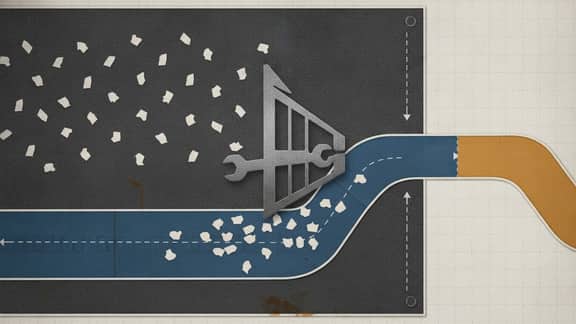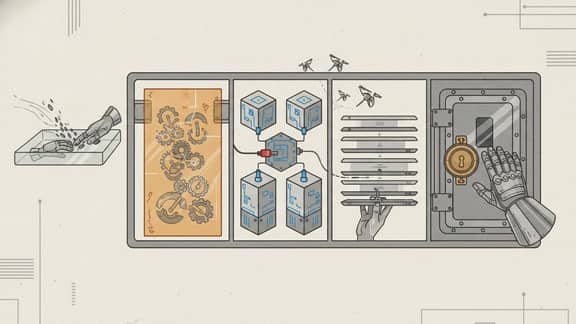

Document workflow sprawl happens when the document record sits in one place, the comments live in another, the approval step hides in email, and the final state only exists because someone manually stitched the sequence together.
That is a workflow problem disguised as a content problem.
Docusign's agreement management overview is a useful outside reference because it shows how quickly document routing, approval, AI, and contract control get bundled into a larger platform story.
Why teams overbuy this category
Document work feels important enough that teams often buy a whole collaboration or control platform to solve one repeated review route.
That is how the workflow gets buried under more product than it really needs.
That is also how tool sprawl becomes software sprawl around one review loop.
The real pain signal
The strongest pain signal is not missing storage. It is missing clarity around version, owner, and next action.
That is what turns review work into recurring drag.
What the broader stack cost looks like
The cost is not only licences. It includes SaaS costs, weaker software visibility, more software total cost of ownership, and harder software consolidation when review, approval, and sign-off live across several tools.
That is why software sprawl in this category often feels like document chaos long before anyone names the renewal problem.
The safer way through
Keep the trusted record stable and improve the workflow surface around review and sign-off.
That keeps the change practical instead of turning it into a broader platform migration.
What to do next
Start with workflow ownership around one document route: review, approval, or policy sign-off.
Once that path is clear, it becomes much easier to reduce software sprawl without destabilising the record people trust.
Where to go next
If you are still choosing products, continue with Best document management software. If the practical pain is the routing itself, continue with Document approval workflow: how to automate it.