Workflow first
Start from the job that needs to move faster
A workflow with a clear trigger, input, review step, and outcome is far easier to improve than a vague AI ambition.
AI workflows
Treat AI workflows as reviewable operational systems around real work, not abstract demos or generic automation promises.
AI becomes commercially useful when it helps a known team complete a known workflow with better speed, review, and control.
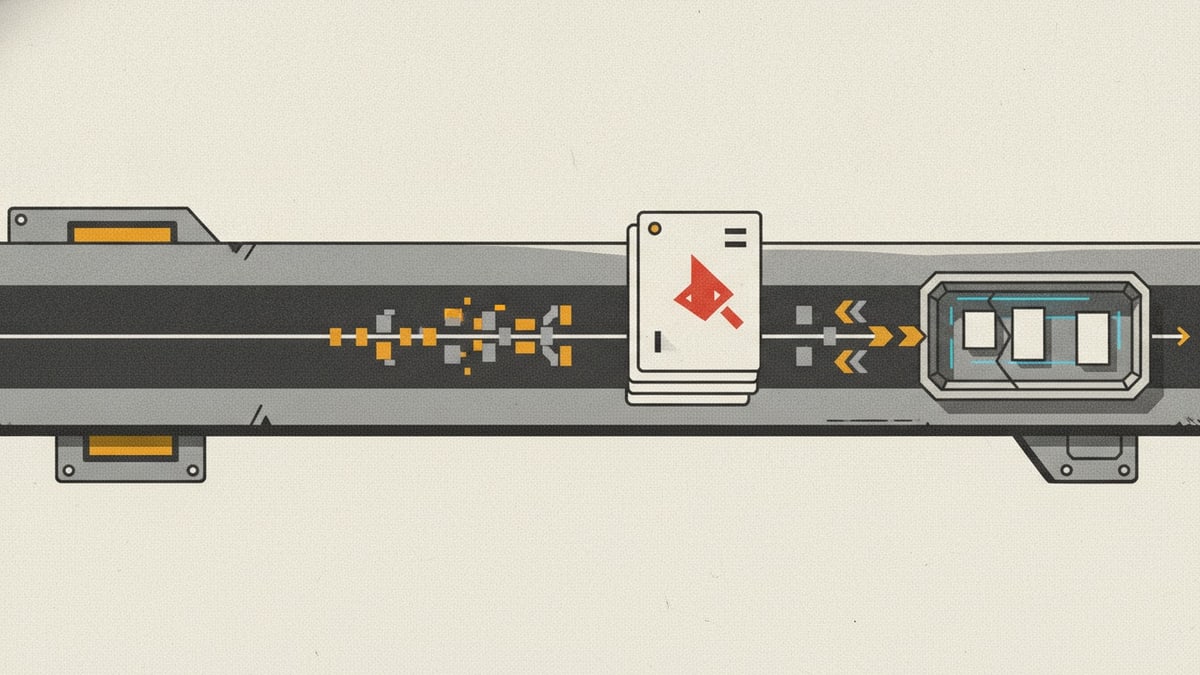
The point is not generic intelligence. The point is a workflow that becomes faster, clearer, or easier to operate.
Workflow first
A workflow with a clear trigger, input, review step, and outcome is far easier to improve than a vague AI ambition.
Human review
Commercially credible AI workflows make review explicit instead of pretending the model should own the whole process.
Operational outcome
Time saved, handoffs removed, and decisions clarified matter more than model novelty.
SwarmCraft is strongest when AI supports a workflow you already understand and can still govern.
Known process
A clear process creates better AI decisions than a tool-first search ever will.
Reviewable output
The output needs to be useful to operators, not just impressive in a demo.
Sharper scope
That is how the workflow stays governable and the value stays visible.
Start Fast when the workflow and review boundary are already clear. Explore Deep Discovery when knowledge, authority, records, or exceptions need structured investigation.
Start with the fundamentals, then use the related articles to sharpen the replacement case.
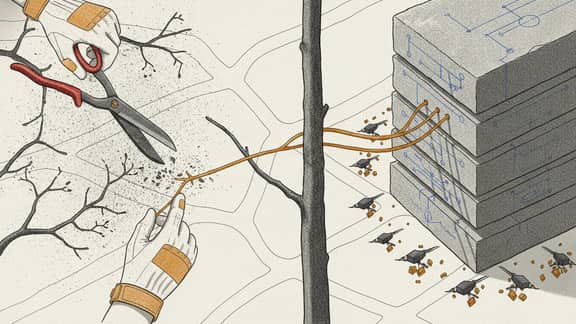
OpenAI Dreaming moves ChatGPT memory beyond isolated context windows; for operator-builders, it becomes more powerful alongside an owned, versioned repository of software intent, implementation, and change.

Designing an agent skill starts with one repeatable workflow, a sharp trigger, clear resources, and a visible review boundary.
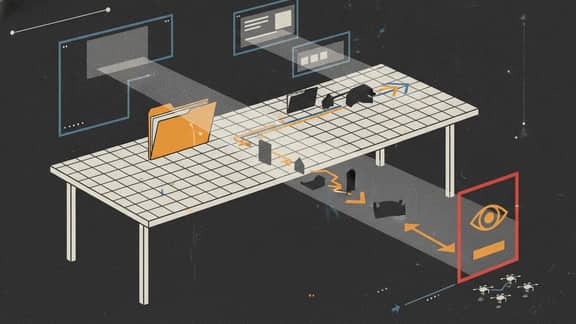
Windsurf Cascade Skills package multi-step instructions and supporting resources so agents can load repeatable engineering procedures only when the work requires them.
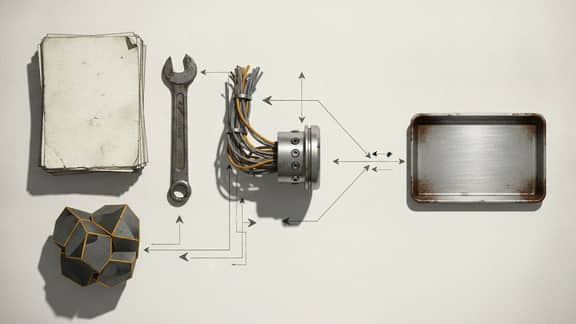
Skills, tools, MCP servers, and agents solve different parts of an AI workflow, and confusing them is how teams rebuild platform sprawl under a new name.
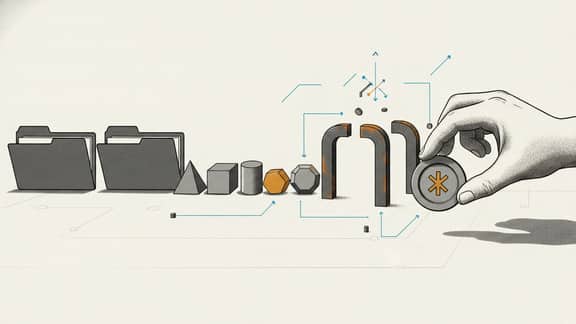
GitHub Copilot Agent Skills package repeatable engineering and support-to-code procedures as portable, reviewable project assets without replacing workflow state or approval.

Claude Agent Skills can package repeatable instructions, references, scripts, and validation steps for a workflow while keeping approval and system-of-record authority outside the skill.
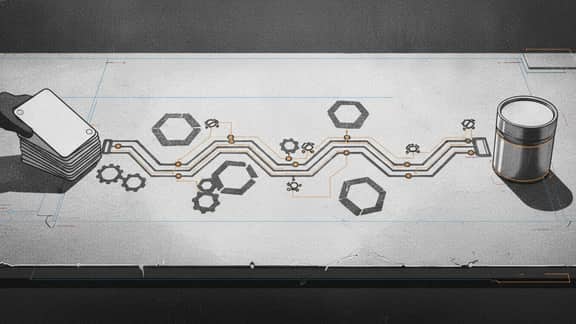
Google Agent Skills and Gemini workflows show how reusable skills are moving from workforce training language into practical agent execution patterns.
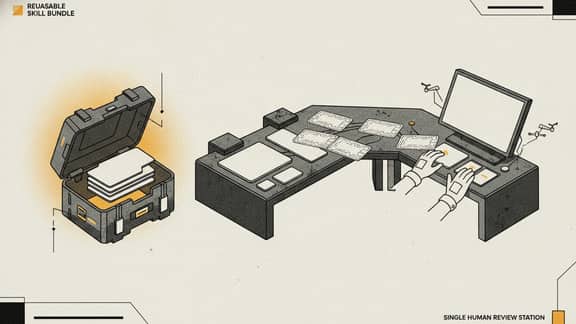
OpenAI Skills make workflow automation more reusable by packaging instructions, references, and execution helpers around a repeated agent task instead of relying on one-off prompts.

AI agent skills are becoming the reusable workflow layer between one-off prompts and full agent platforms, giving operator-builders a cleaner way to package repeatable work.
You have reached the end of this archive.