Repeatable trigger
The workflow starts from a real event
Requests, incidents, approvals, and onboarding steps are easier to improve because they already have a clear start point.
Workflow automation
Use workflow automation to remove repeated handoff friction, shorten waiting time, and replace focused operational surfaces before you touch the broader system.
The best automation work starts with one repeatable process, one clear handoff, and one painful delay you are ready to remove.
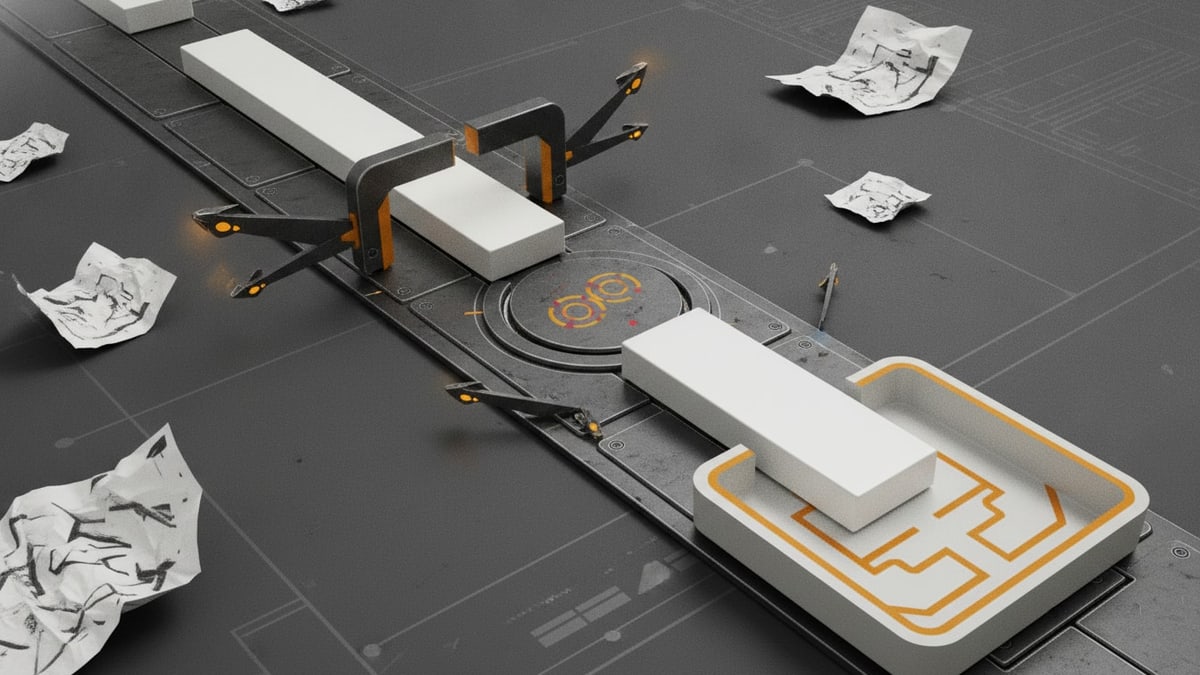
The useful patterns are usually operational, measurable, and close enough to the work that adoption can happen quickly.
Repeatable trigger
Requests, incidents, approvals, and onboarding steps are easier to improve because they already have a clear start point.
Visible handoff
The more visible the handoffs are, the easier it is to replace them with something cleaner.
Smaller scope
A single workflow shipped well is more valuable than an enterprise automation promise that never lands.
SwarmCraft works best when you can name the exact workflow to improve and the manual drag you want to remove first.
One process
Approval routing, onboarding steps, and incident handling are good early candidates because the pain is concrete.
Known boundary
Fast Start keeps the existing record system. Deep Discovery can examine a broader coherent operation when the automation depends on owning bounded records.
Operational proof
A workflow that saves time every week becomes the proof point for the next one.
Start Fast when you can point to the trigger, waiting step, and kept record boundary. Explore Deep Discovery when the operation needs evidence or owner interviews first.
Start with the fundamentals, then use the related articles to sharpen the replacement case.

In week 13, SwarmCraft structured and completed a 68-task timesheet approval operation that owns the authoritative time record, keeps approved weeks open until downstream work is reconciled, and preserves every correction and decision as tested evidence.

In week 12, SwarmCraft built a 75-ticket resource allocation workflow that exposes hidden capacity collisions, compares cited AI-assisted options, records human changes, governs holds and commitments, and replans without erasing history.
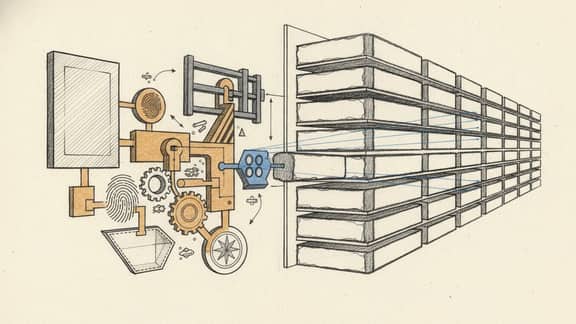
In week 11, SwarmCraft built a 59-ticket KPI reporting workflow with governed source connectors, immutable reporting evidence, exception handling, approvals, publication and checked-in deterministic browser evidence.

Week ten of the SwarmCraft case-study series built and browser-tested a 53-ticket people operations system with an owned employee record, an evidence-bound AI copilot, governed onboarding, migration controls, and downstream provider handoffs.

Week nine of the SwarmCraft case-study series built and browser-tested a 40-ticket owned support operation with customer intake, email boundaries, cited AI assistance, human review, queue management, engineering handoff, and durable audit evidence.
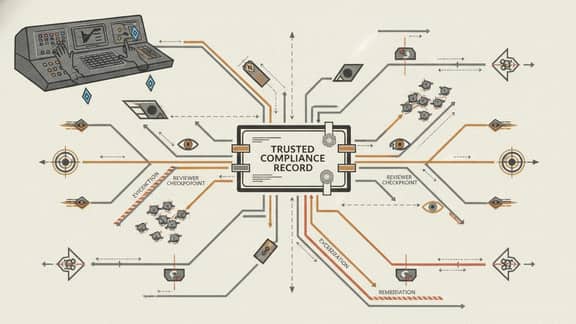
Week eight of the SwarmCraft case-study series built and browser-tested the kernel of an owned ISO 27001 management system, then asked whether a small company should keep renting its compliance system of record.
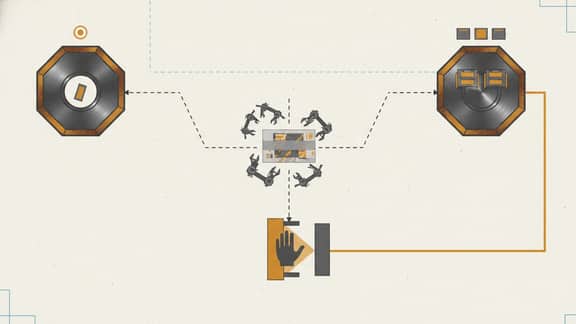
Week seven of the SwarmCraft case-study series built a 41-ticket employee training workflow around BambooHR and Trainual, with source-backed proposals, human approval, guarded writeback, exception handling, audit evidence, and browser-tested screenshots.
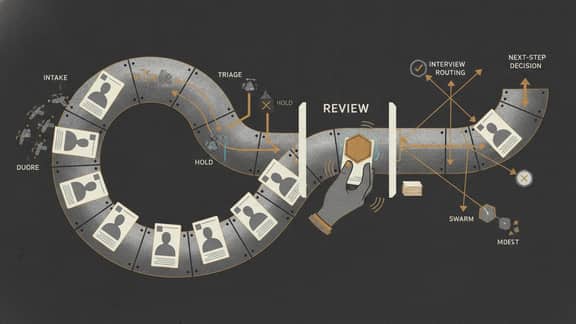
Week six of the SwarmCraft case-study series built an agentic candidate screening workflow as owned software: Greenhouse webhook intake, Harvest API context sync, evidence-backed review packets, human approval boundaries, decision writebacks, audit history, and browser-tested screenshot evidence.
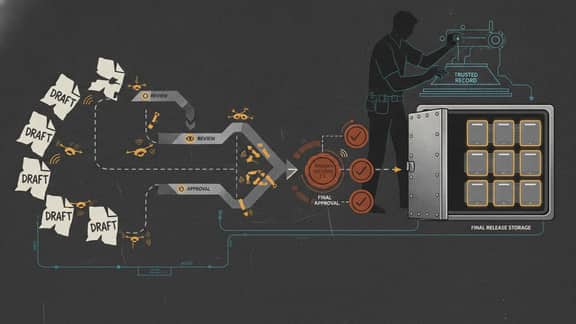
Week five of the SwarmCraft case-study series built a document approval workflow as owned software: source document intake, controlled conversion, version-aware approvals, conditional signing boundaries, role-based access, audit history, persisted workflow state, and browser-tested screenshot evidence.
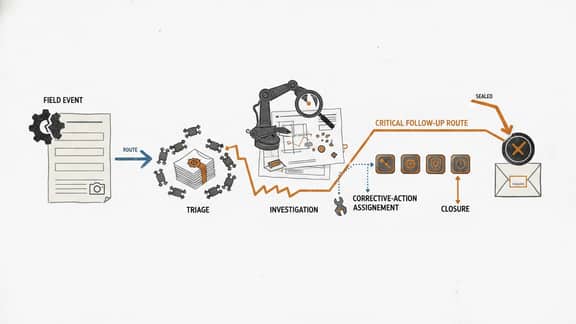
Week four of the SwarmCraft case-study series built a safety incident reporting workflow as owned software: mobile-first field intake, offline drafts, queued photo and video evidence, severity routing, triage handoffs, audit history, access control, and browser-tested screenshot evidence.
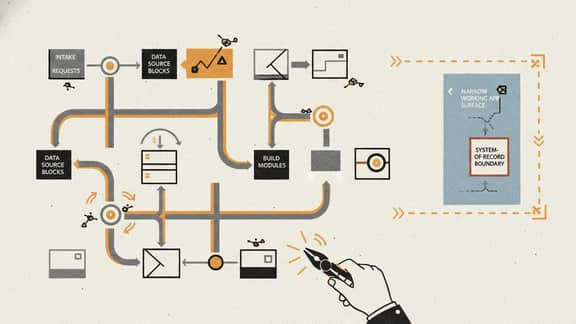
Week three of the SwarmCraft case-study series built an AI assessment reporting tool as owned software: guided chat intake, document upload, lightweight RAG-style source review, rubric scoring, human review gates, source-backed report generation, audit history, and browser-tested screenshot evidence.

Week two of the SwarmCraft case-study series built a project Kanban board workflow as owned software: 36 implemented tickets, a React board, a Spring Boot API, PostgreSQL workflow state, Jira and Slack adapter boundaries, audit history, and browser-tested board paths.

Week one of the SwarmCraft case-study series built a purchase approval workflow as owned software: 33 implemented tickets, a React portal, a Node.js API, PostgreSQL workflow state, audit history, and browser-tested approval paths.
You have reached the end of this archive.